If you grew up in a Bihari household, chances are lauki (bottle gourd) was cooked at least once or twice a week. It was never considered a “special” vegetable, but it was always there — quietly doing its job. Light on the stomach, easy to cook, and perfect with plain dal–chawal or roti.
Bihari style lauki sabzi is very different from the creamy or masaledar versions you see in restaurants. There is no heavy gravy, no fancy spices, and definitely no butter. This is the kind of food our mothers cooked daily — simple, nourishing, and full of comfort.
In this article, I’ll share the traditional Bihari way of making lauki sabzi, just like it is cooked in homes and villages. If you want food that feels light, homely, and real, this recipe is for you.
Why Lauki Is Loved in Bihari Homes
Lauki is one of those vegetables that fits perfectly into the Bihari food style. Bihari cooking focuses a lot on simple ingredients, seasonal vegetables, mustard oil, and minimum masala.
Some reasons lauki is commonly used:
- It is easy to digest
- It keeps the body cool, especially in summer
- It cooks fast
- It tastes good even with very few spices
In many homes, lauki sabzi is cooked when someone is unwell, during hot weather, or on days when light food is preferred.
Ingredients for Bihari Style Lauki Sabzi
This recipe uses very basic ingredients that are easily available in every Indian kitchen.
- 1 medium lauki (bottle gourd)
- 2 tablespoons mustard oil
- 1 teaspoon jeera (cumin seeds)
- 1 medium onion (finely chopped)
- 1–2 green chillies (slit)
- ½ teaspoon turmeric powder
- Salt to taste
- ½ teaspoon garam masala (optional, very little)
- Fresh coriander leaves (optional)
- A little water
That’s it. No tomato, no ginger-garlic paste, no heavy masala.
How to Prepare Lauki for Sabzi
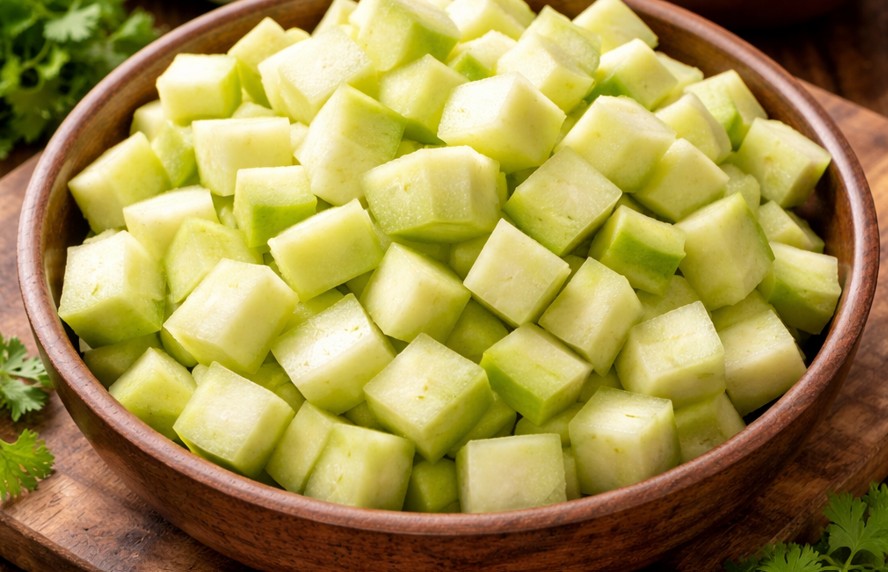
Choose a fresh, tender lauki. It should feel light and soft when pressed. Avoid lauki with hard seeds inside.
- Wash the lauki properly
- Peel the skin lightly
- Cut it lengthwise and remove soft seeds if any
- Chop into medium-sized pieces
Do not cut very small pieces, or the lauki will become mushy.
Traditional Bihari Style Lauki Sabzi Recipe (Step by Step)
Step 1: Heat the Mustard Oil
Take a kadhai or pan and heat mustard oil properly until it starts smoking lightly. This removes the raw smell of the oil and gives authentic taste.
Lower the flame.
Step 2: Add Jeera and Chillies
Add jeera to the hot oil. Let it crackle.
Now add slit green chillies. Fry for a few seconds.
This simple tempering gives the base flavor of the sabzi.
Step 3: Add Onions
Add finely chopped onions and cook on medium flame.
Fry till the onions become soft and light golden. Do not over-fry. In Bihari cooking, onions are not browned too much.
Step 4: Add Lauki and Turmeric
Now add chopped lauki pieces.
Sprinkle turmeric powder and salt.
Mix everything nicely so the lauki is coated with oil and spices.
Step 5: Cover and Cook
Add 2–3 tablespoons of water, just enough to help it cook.
Cover the pan and cook on low flame.
Stir occasionally so it doesn’t stick to the bottom.
Lauki releases its own water, so no need to add too much.
Step 6: Final Touch
When lauki becomes soft but not mashed, switch off the gas.
If you like, sprinkle a little garam masala and chopped coriander leaves.
Mix gently.
Your Bihari style lauki sabzi is ready.
How This Sabzi Should Look and Taste
- Lauki pieces should be soft but hold shape
- Very little gravy, mostly dry or semi-dry
- Mild flavor, not spicy
- Light mustard oil aroma
This sabzi is not meant to be spicy or rich. Its beauty lies in its simplicity.
Best Way to Eat Lauki Sabzi (Bihari Style)
This sabzi tastes best with:
- Plain dal–chawal
- Hot roti or phulka
- Chura (flattened rice) in summer
- With a side of aloo chokha or bharta
Many people also enjoy it with sattu chutney or green chilli on the side.
Variations You’ll Find in Bihari Homes
Every household has its own small twist. Some common variations are:
- With aloo: Add one chopped potato along with lauki
- Without onion: Cook only with jeera, green chilli, turmeric, and salt
- With panch phoran: Some families use panch phoran instead of jeera
- With moong dal: A little soaked moong dal is added for protein
All versions are simple and light.
Health Benefits of Lauki Sabzi
Bihari style lauki sabzi is very healthy because:
- It uses less oil
- No heavy masala
- Easy to digest
- Good for stomach and liver
- Helps in summer dehydration
It is perfect for people who want simple home food without compromising on taste.
Final Thoughts
Bihari style lauki sabzi may look plain, but it carries the taste of home, simplicity, and tradition. It reminds us that good food does not need many ingredients — it just needs the right method and a little patience.
If you are tired of spicy or oily food, try this sabzi once. Pair it with dal–chawal, sit quietly, and enjoy a meal that feels comforting and real.
Sometimes, the simplest food is the best food.