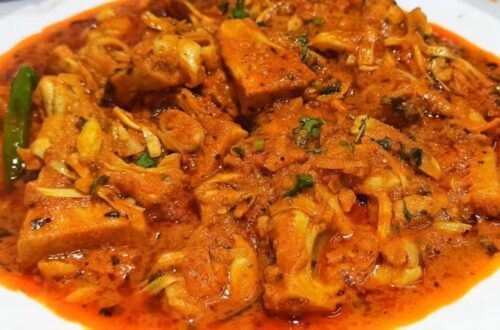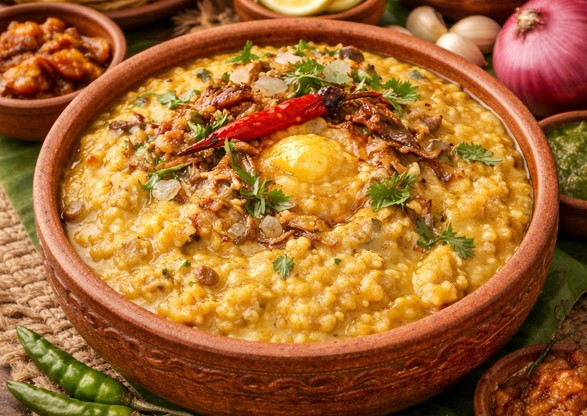
In Bihar, khichdi is not just food. It’s an emotion.
Ask anyone from Bihar about khichdi, and they won’t talk about rice and dal. They’ll talk about Sunday afternoons, winter mornings, Makar Sankranti, and that unmistakable smell of desi ghee melting on hot khichdi. Bihari style khichdi is simple, filling, and deeply satisfying — the kind of meal that doesn’t try to impress, yet always does.
Unlike fancy versions, Bihari khichdi is rustic and honest. No exotic spices, no complicated steps. Just good quality rice, dal, vegetables, and a tempering that brings everything together.
In this article, I’ll walk you through how khichdi is traditionally prepared in Bihar, along with serving tips that make it truly authentic.
What Makes Bihari Khichdi Different?
Bihari khichdi stands out because of three things:
- Use of multiple dals – usually arhar (toor) and chana dal
- Vegetables are a must – especially cauliflower, potato, peas
- Served with sides – chokha, papad, ghee, pickle
It’s not meant to be bland. It’s mild, yes — but full of flavour.
Ingredients for Bihari Style Khichdi
For the Khichdi:
- 1 cup rice (short or medium grain)
- ½ cup arhar dal (toor dal)
- 2 tbsp chana dal
- 1 medium potato (chopped)
- 1 cup cauliflower florets
- ½ cup green peas
- 1 small onion (optional, chopped)
- 1 tsp ginger (grated or paste)
- ½ tsp turmeric powder
- Salt to taste
- 4–5 cups water
For Tempering (Tadka):
- 2 tbsp mustard oil
- 1 tsp cumin seeds
- 2 dry red chilies
- 4–5 garlic cloves (crushed)
For Serving:
- Desi ghee (lots of it 😄)
- Baingan chokha or aloo chokha
- Papad
- Lemon wedges
- Pickle
Step-by-Step: How to Make Bihari Khichdi
Step 1: Wash and Soak
Wash rice and both dals together until the water runs clear. Soak for about 15–20 minutes. This helps everything cook evenly and gives a softer texture.
Step 2: Cook the Base
In a pressure cooker or heavy pot, add:
- Rice and dal mixture
- All vegetables
- Turmeric and salt
- Water
Mix well and cook:
- Pressure cooker: 3–4 whistles
- Open pot: Cook till rice and dal are completely soft and slightly mushy
The consistency should be thick but flowing — not dry, not soupy.
Step 3: Prepare the Tadka
This is where the magic happens.
Heat mustard oil until it starts smoking lightly. Reduce the flame and add:
- Cumin seeds
- Dry red chilies
- Crushed garlic
Let everything crackle and release aroma. The garlic should turn light golden, not brown.
Step 4: Combine
Pour the hot tadka directly over the cooked khichdi. Mix gently.
At this stage, the smell alone will tell you that you’ve done it right.
How Khichdi Is Traditionally Served in Bihar
In Bihar, khichdi is never eaten alone.
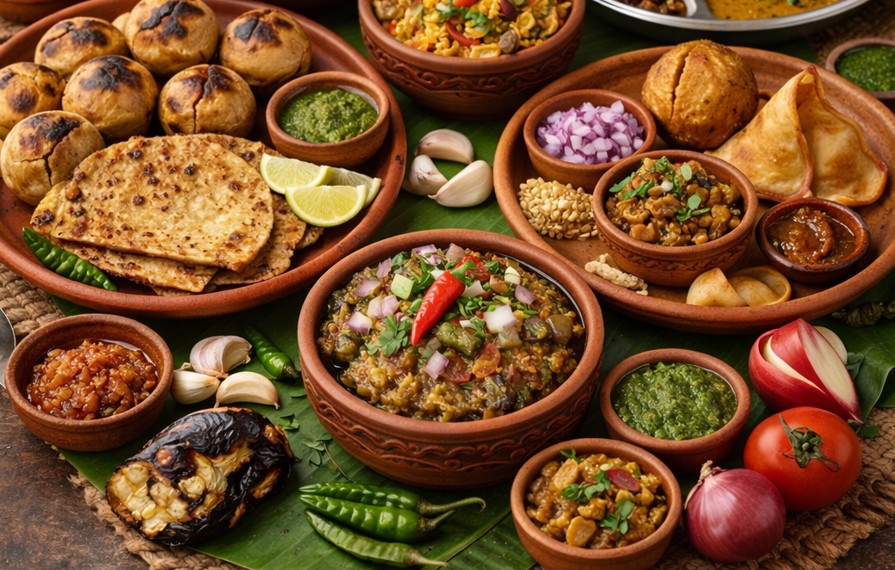
A proper plate includes:
- A generous spoon of desi ghee on top
- Baingan chokha (roasted brinjal, mustard oil, onion, chili)
- Aloo chokha
- Crispy papad
- Lemon squeezed just before eating
Many people also add a raw onion on the side. Simple, rustic, perfect.
Best Time to Eat Bihari Khichdi
- Winter mornings – keeps you warm
- Makar Sankranti – almost mandatory in many homes
- When you’re unwell – light yet nourishing
- Lazy Sundays – when you want comfort, not effort
Tips for Authentic Taste
- Always use mustard oil for tadka
- Don’t over-spice — khichdi is about balance
- Slightly overcook it; soft texture is key
- Never skip ghee — that’s non-negotiable in Bihar
Why Bihari Khichdi Is So Loved
Because it doesn’t pretend to be anything else.
It’s humble food made with care. It fills your stomach, yes — but more importantly, it fills you with a sense of home. That’s why no matter how far someone from Bihar goes, khichdi always brings them back.
Final Thoughts
Bihari style khichdi proves that good food doesn’t need complexity. With simple ingredients and the right technique, you can create something deeply satisfying.
If you’re new to Bihari cuisine, this is the best place to start.
Once you’ve had it with chokha and ghee, there’s no going back.